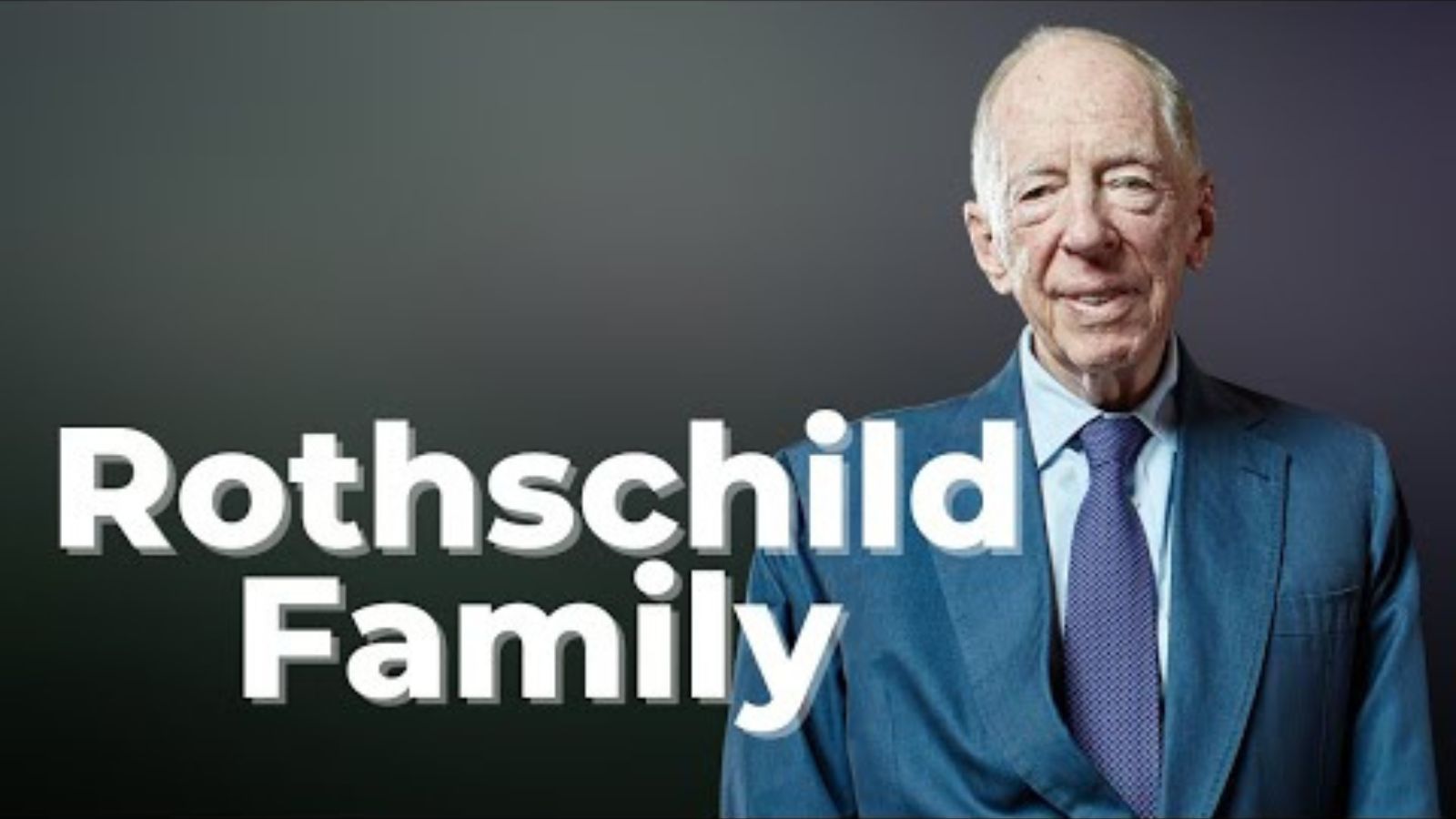
The Rothschild family net worth has fascinated historians, investors, and curious readers for generations. As one of the most famous banking dynasties in modern history, the Rothschilds have built a reputation for immense wealth, influence, and financial expertise.
While countless rumors have circulated online about the family’s fortune, determining their exact wealth is challenging because many assets are privately held across different family branches.
In 2026, the Rothschild name remains synonymous with banking, investments, wealth management, and long-term financial success. This article explores the Rothschild family’s estimated net worth, sources of income, business strategies, assets, philanthropy, and future wealth outlook.
Disclaimer: Net worth figures are estimates based on publicly available data and may vary.
Bio Data Table
| Category | Details |
|---|---|
| Family Name | Rothschild Family |
| Origin | Frankfurt, Germany |
| Industry | Banking, Finance, Investments |
| Founded By | Mayer Amschel Rothschild |
| Founded | Late 18th Century |
| Headquarters (Historical Operations) | Germany, United Kingdom, France, Austria |
| Primary Businesses | Banking, Wealth Management, Investments |
| Estimated Net Worth (2026) | $15 Billion – $25 Billion |
| Wealth Source | Banking, Investments, Real Estate, Private Equity |
| Known For | Building one of history’s most influential financial dynasties |
Who Is the Rothschild Family? (Background & Early Life)
The Rothschild family traces its roots to Mayer Amschel Rothschild, a German banker born in Frankfurt in 1744. He established a financial business that would later become one of the most powerful banking networks in Europe.
Mayer Amschel had five sons, each of whom was sent to a major European financial center:
- Frankfurt
- London
- Paris
- Vienna
- Naples
This strategy allowed the family to create an international banking network long before modern communication systems existed.
During the 19th century, the family financed governments, infrastructure projects, railways, mining ventures, and industrial expansion throughout Europe. Their ability to move capital across borders efficiently gave them a significant advantage over competitors.
Over time, the Rothschilds became known not only for wealth but also for sophisticated investment strategies and financial innovation.
Net Worth Overview (2026 Estimate)
Estimating the Rothschild family net worth in 2026 is difficult because the family consists of multiple branches spread across several countries.
Unlike publicly traded companies, many Rothschild-controlled assets remain private. Therefore, financial experts rely on known holdings, investment firms, real estate portfolios, and business interests to estimate their wealth.
Estimated Net Worth Range
| Estimate Type | Value |
|---|---|
| Conservative Estimate | $15 Billion |
| Mid-Range Estimate | $20 Billion |
| High Estimate | $25 Billion |
Some internet sources claim the family controls hundreds of billions or even trillions of dollars. However, there is no verified evidence supporting such figures.
Financial researchers generally agree that while the Rothschilds remain extremely wealthy, their fortune is best measured in the tens of billions rather than the trillions often claimed online.
Net Worth Growth Timeline
Before Fame
In the late 1700s, Mayer Amschel Rothschild began as a coin dealer and financial adviser.
His expertise in finance and relationships with wealthy clients helped establish the family’s first banking operations.
Breakthrough Phase
The Rothschild empire expanded rapidly during the early 1800s.
Major developments included:
- Government bond financing
- International banking services
- Infrastructure investments
- Railway funding
- Mining projects
The family’s international network allowed them to transmit financial information faster than competitors.
Peak / Recent Years
Throughout the 20th and 21st centuries, the family diversified into:
- Wealth management
- Investment banking
- Asset management
- Private equity
- Real estate
- Energy investments
Today, the Rothschild name remains influential in global finance despite operating on a smaller scale than at its historical peak.
Main Sources of Income
Core Profession Income
The Rothschild family’s primary wealth source remains financial services.
Key activities include:
- Investment banking
- Corporate advisory services
- Wealth management
- Asset management
- Private banking
These services generate substantial recurring revenue.
Banking and Financial Revenue
The family’s various financial institutions earn income through:
- Advisory fees
- Investment returns
- Portfolio management
- Corporate transactions
- Mergers and acquisitions consulting
This diversified revenue model helps preserve wealth across generations.
Brand Endorsements & Sponsorships
Unlike celebrities, the Rothschild family does not rely heavily on endorsements.
Instead, the family benefits from:
- Brand prestige
- Business partnerships
- Financial influence
- Exclusive investment opportunities
The Rothschild name itself functions as a valuable business asset.
Merchandise & Licensing
Licensing contributes a relatively small portion of overall wealth.
Some family-related businesses generate revenue through:
- Wine brands
- Luxury products
- Estate-related ventures
- Hospitality projects
Business Strategy Behind the Wealth
One reason the Rothschild family has remained wealthy for more than two centuries is its disciplined approach to wealth preservation.
Their strategy includes:
Diversification
The family avoids overreliance on a single industry.
Investments span:
- Banking
- Real estate
- Agriculture
- Energy
- Private equity
- Technology
Long-Term Thinking
Rather than focusing on short-term gains, the family often prioritizes long-term value creation.
Private Ownership
Many assets remain privately controlled, reducing pressure from public markets.
Global Presence
International diversification helps manage risk and capture opportunities worldwide.
Awards & Achievements and Financial Impact
The Rothschild family’s greatest achievements are tied to finance rather than traditional awards.
Key accomplishments include:
Building a Global Banking Network
Their banking operations transformed international finance during the 19th century.
Financing Infrastructure
The family played a major role in funding:
- Railways
- Government projects
- Industrial expansion
- Public infrastructure
Wealth Preservation
Few family fortunes have survived as successfully across multiple centuries.
Financial Impact
Their influence helped shape modern banking practices and global capital markets.
Assets & Lifestyle
The Rothschild family is known for substantial assets accumulated over generations.
Real Estate
The family owns or has owned numerous prestigious properties, including:
- Historic estates
- Country houses
- Vineyards
- Urban luxury properties
- Agricultural land
These assets contribute significantly to overall wealth.
Cars & Luxury
Although family members often maintain relatively private lifestyles, luxury assets include:
- High-end automobiles
- Private collections
- Fine art
- Rare antiques
Fashion & Investments
The family is also associated with investments in:
- Luxury goods
- Art collections
- Wine production
- Private equity ventures
These investments help diversify income streams.
Net Worth Comparison (Peers / Industry)
| Family | Estimated Net Worth |
|---|---|
| Walton Family | $400+ Billion |
| Mars Family | $150+ Billion |
| Koch Family | $120+ Billion |
| Hermès Family | $170+ Billion |
| Rothschild Family | $15–25 Billion |
While the Rothschilds remain wealthy, modern business families often possess larger publicly documented fortunes.
The difference is that much of Rothschild wealth is distributed among multiple branches and private holdings.
Controversies, Challenges & Financial Risks
No discussion of the Rothschild family would be complete without addressing controversies.
Conspiracy Theories
For decades, conspiracy theories have exaggerated the family’s wealth and influence.
Common claims include:
- Secret control of global finance
- Ownership of central banks
- Trillion-dollar fortunes
Most of these claims lack credible evidence.
Economic Risks
Like all investors, the family faces risks from:
- Market downturns
- Interest rate changes
- Economic recessions
- Regulatory changes
Private Business Challenges
Maintaining a family-controlled financial empire across generations presents unique management challenges.
Philanthropy & Social Impact
The Rothschild family has a long tradition of charitable giving.
Areas supported include:
Education
The family has funded:
- Universities
- Research programs
- Scholarships
Healthcare
Contributions have supported:
- Hospitals
- Medical research
- Public health initiatives
Arts & Culture
The family has been major patrons of:
- Museums
- Historic preservation
- Cultural institutions
Environmental Projects
Recent philanthropic efforts have increasingly focused on sustainability and conservation.
How the Rothschild Family Makes Money Outside Core Profession
In addition to banking, the family earns income from multiple sources.
Real Estate Holdings
Luxury properties and commercial real estate provide steady revenue.
Wine Industry
Several Rothschild-owned vineyards are globally recognized.
Wine production generates significant annual income.
Private Equity
The family participates in private investment opportunities across various sectors.
Agriculture
Land ownership and agricultural operations continue to contribute to wealth.
Alternative Investments
These include:
- Venture capital
- Infrastructure projects
- Renewable energy
- Strategic partnerships
Such investments help maintain diversified income streams.
Future Net Worth Projection
Looking ahead, the Rothschild family appears well-positioned for continued financial growth.
Factors Supporting Growth
- Strong investment expertise
- Diversified assets
- Global financial presence
- Long-term planning
- Private wealth management
Potential Challenges
- Economic volatility
- Regulatory changes
- Competition within finance
- Global market uncertainty
Projected Net Worth
| Year | Projected Net Worth |
|---|---|
| 2026 | $15–25 Billion |
| 2028 | $18–28 Billion |
| 2030 | $20–35 Billion |
These projections assume stable investment performance and continued business expansion.
Frequently Asked Questions
What is the Rothschild family net worth in 2026?
Most financial estimates place the Rothschild family’s combined wealth between $15 billion and $25 billion.
Are the Rothschilds the richest family in the world?
No. Families such as the Waltons, Mars family, and Koch family generally have larger documented fortunes.
How did the Rothschild family become wealthy?
The family built wealth through banking, government financing, investments, railways, and international financial services.
Does the Rothschild family still own banks?
Yes. Various branches of the family remain involved in banking, investment management, and financial advisory services.
Is the Rothschild fortune worth trillions?
There is no verified evidence supporting claims that the family possesses trillions of dollars in wealth.
What are the Rothschild family’s biggest assets?
Major assets include banking businesses, investment portfolios, real estate, vineyards, agricultural land, and private equity holdings.
Conclusion
The Rothschild family net worth remains one of the most discussed topics in financial history. While myths and conspiracy theories often exaggerate their fortune, credible estimates suggest the family controls wealth in the range of $15 billion to $25 billion in 2026.
Through banking, investments, real estate, private equity, vineyards, and wealth management, the Rothschilds have successfully preserved and expanded their fortune across generations.
Their story is not only about wealth but also about strategic investing, diversification, and long-term financial planning. As global markets continue to evolve, the Rothschild family is likely to remain an influential name in international finance for years to come.

Despite her privileged upbringing, Woolf experienced significant trauma early in life, including the loss of her mother and later her father. These events contributed to her lifelong struggles with mental health, a theme that often appears in her writing.